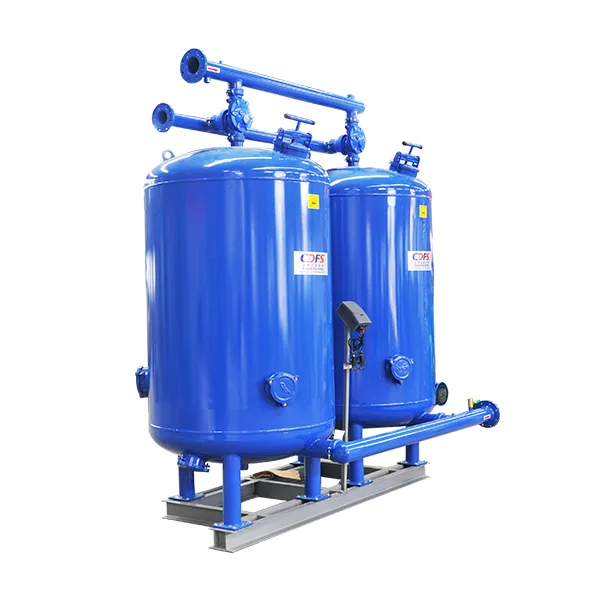
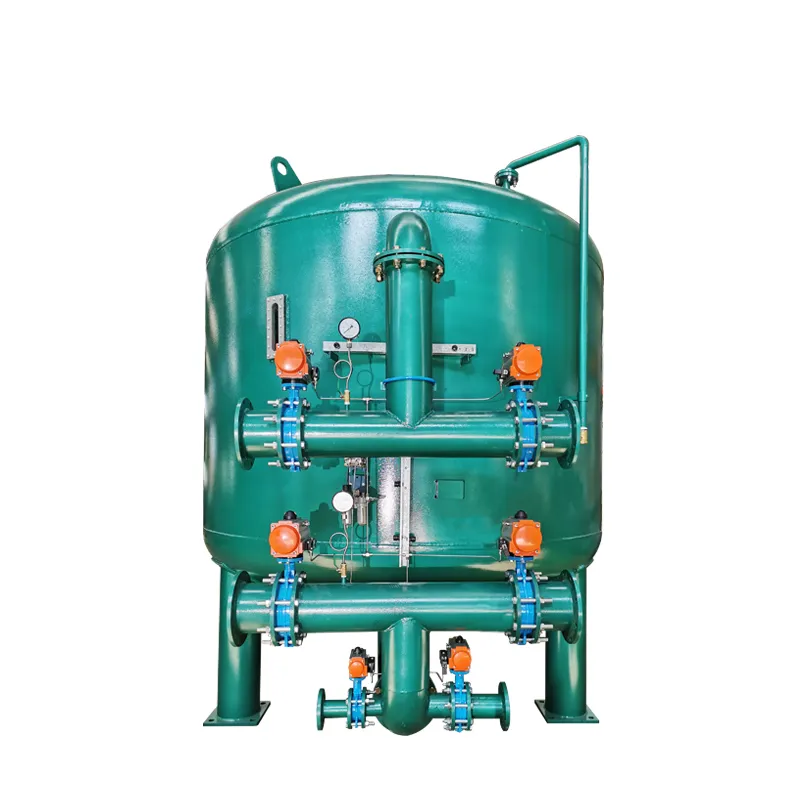
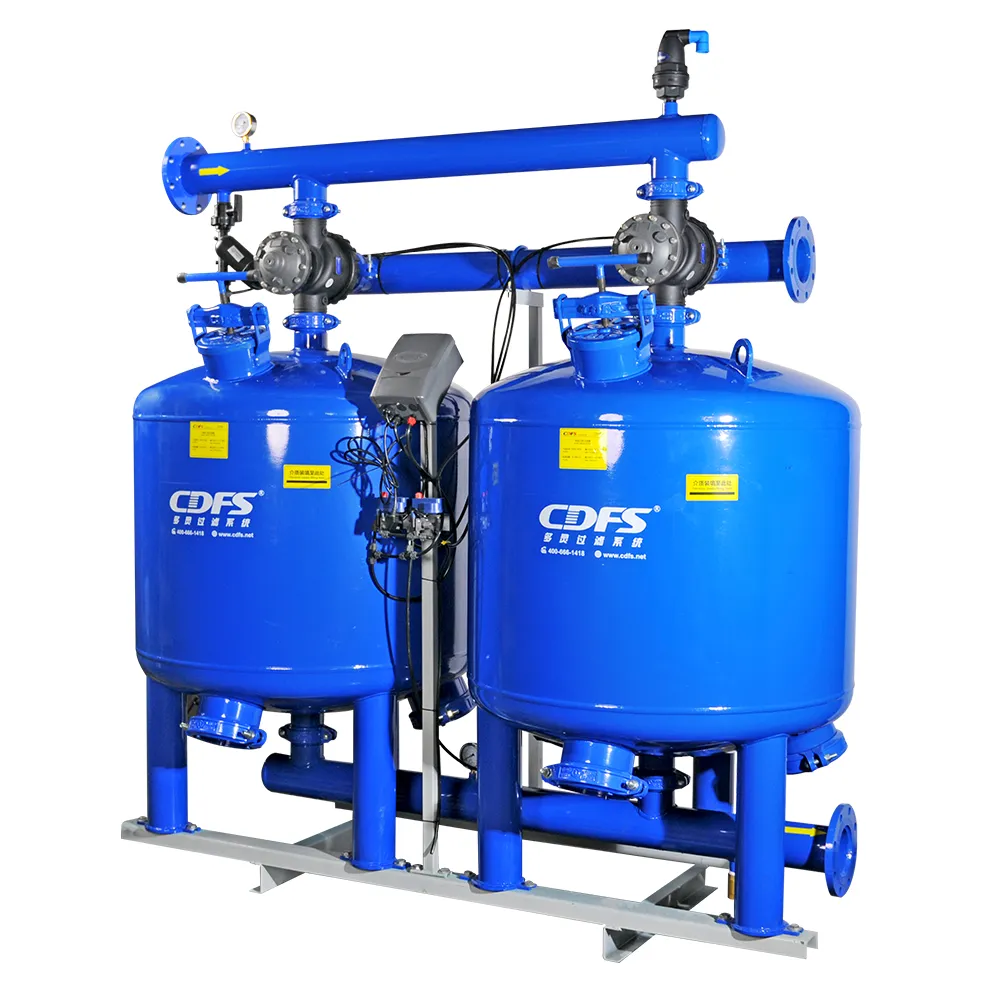
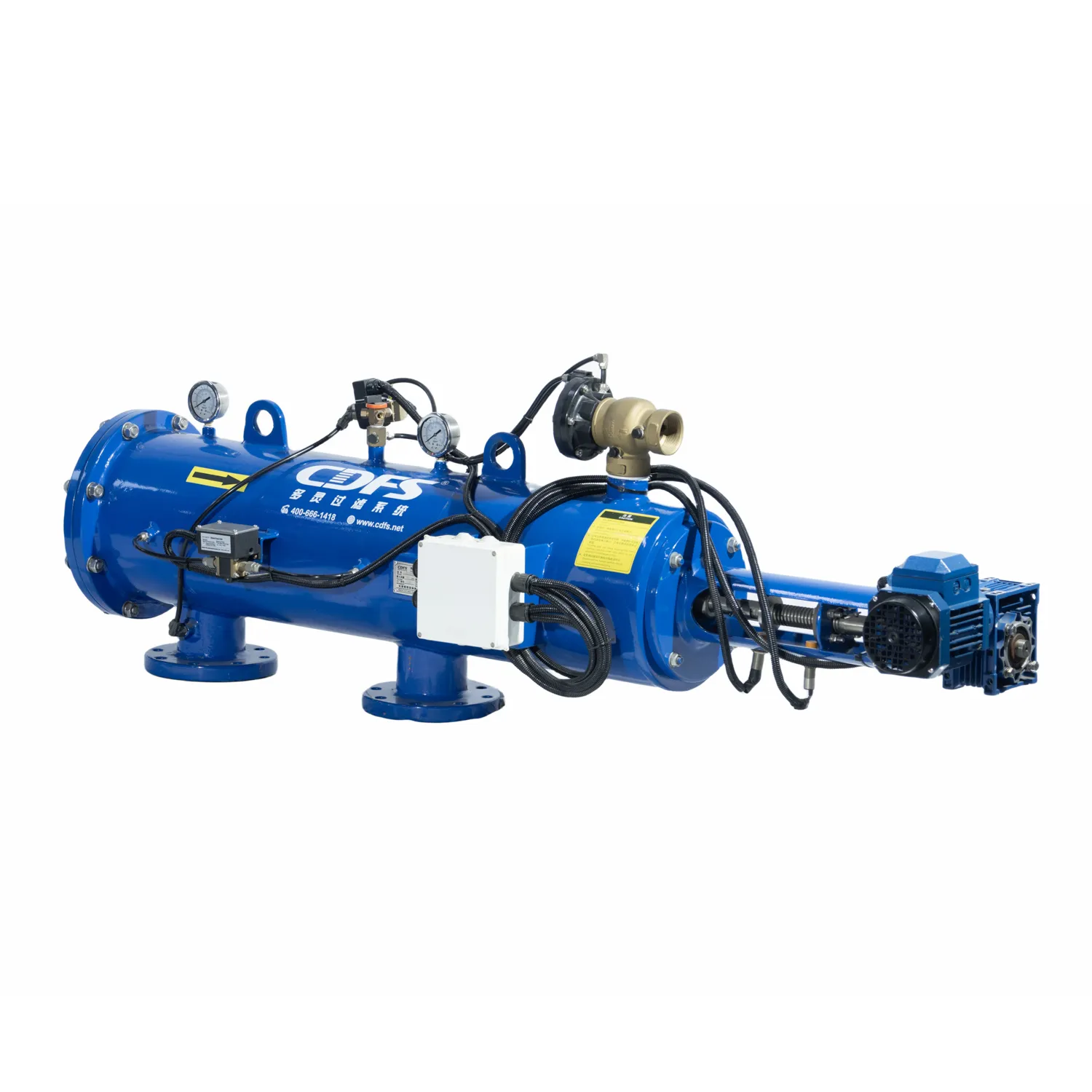
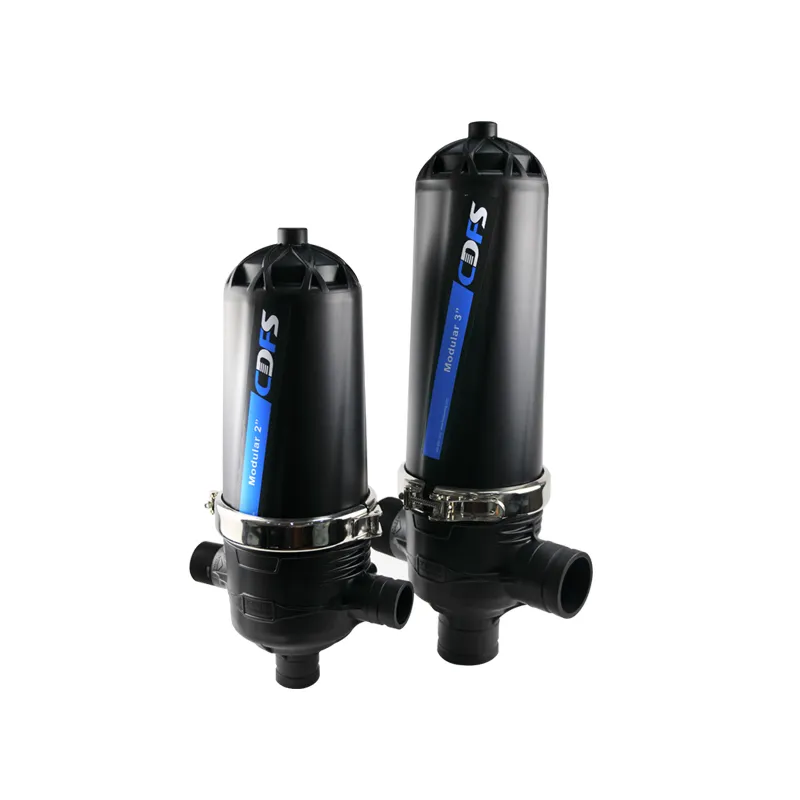
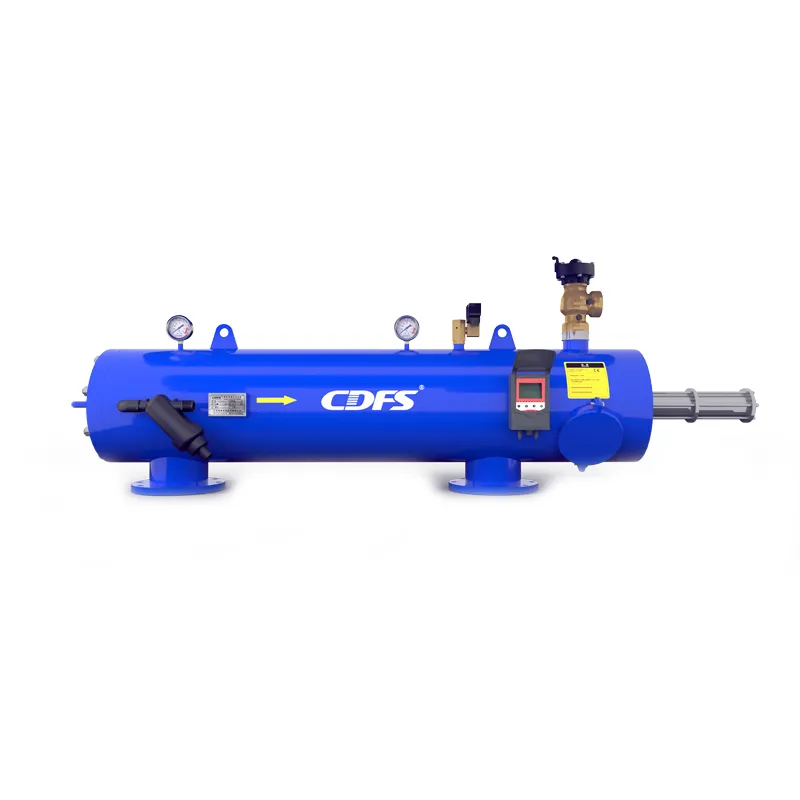
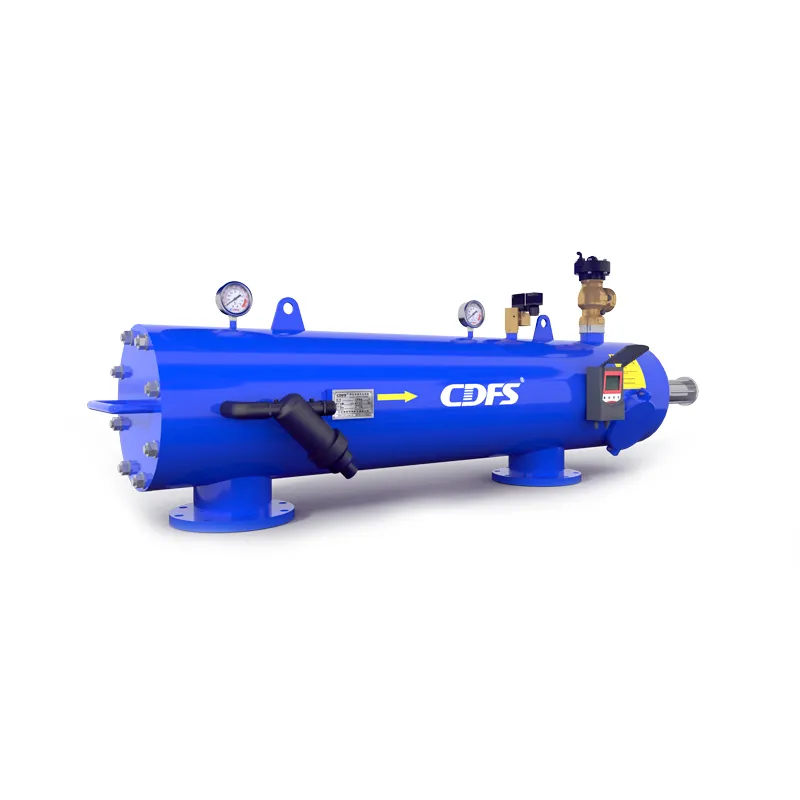
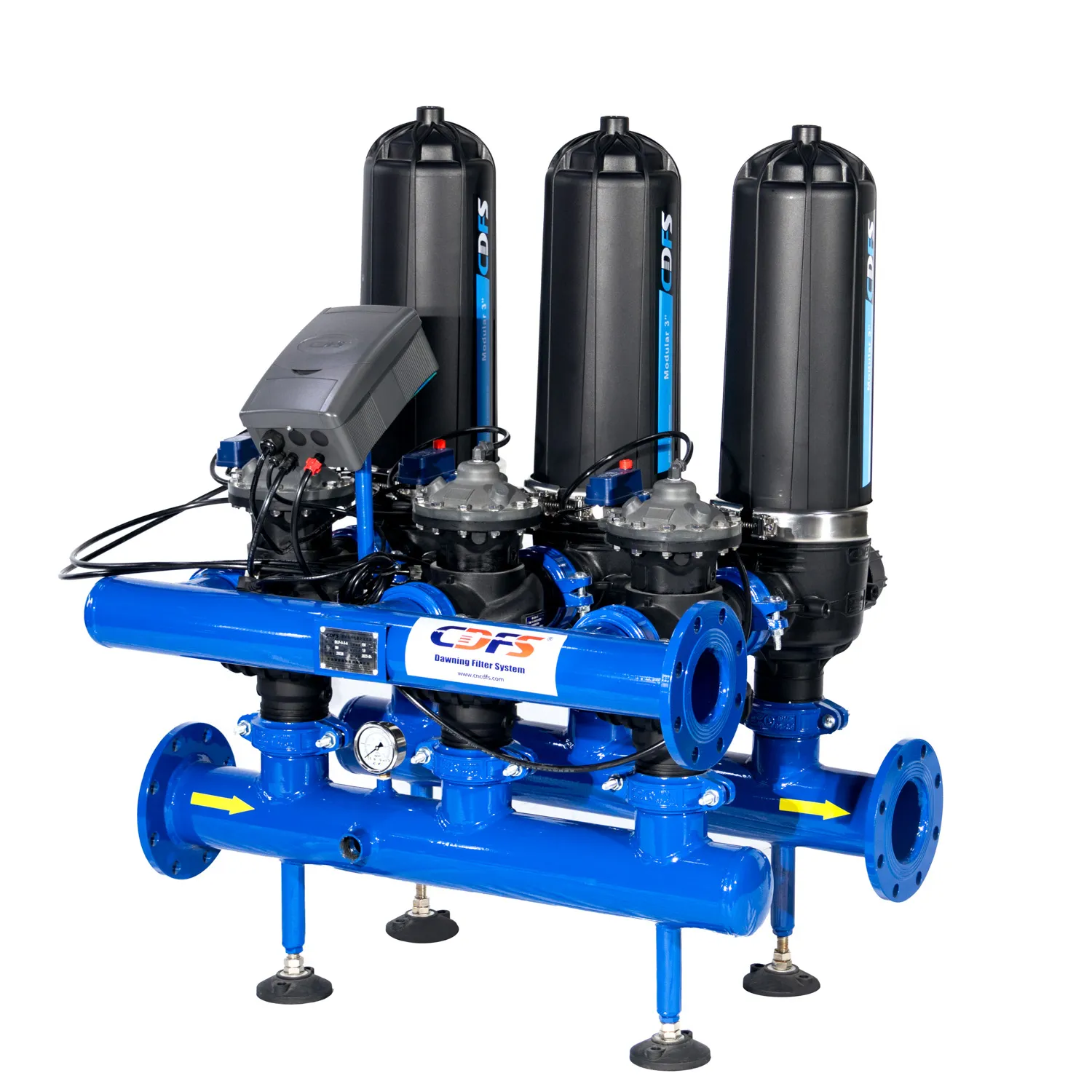
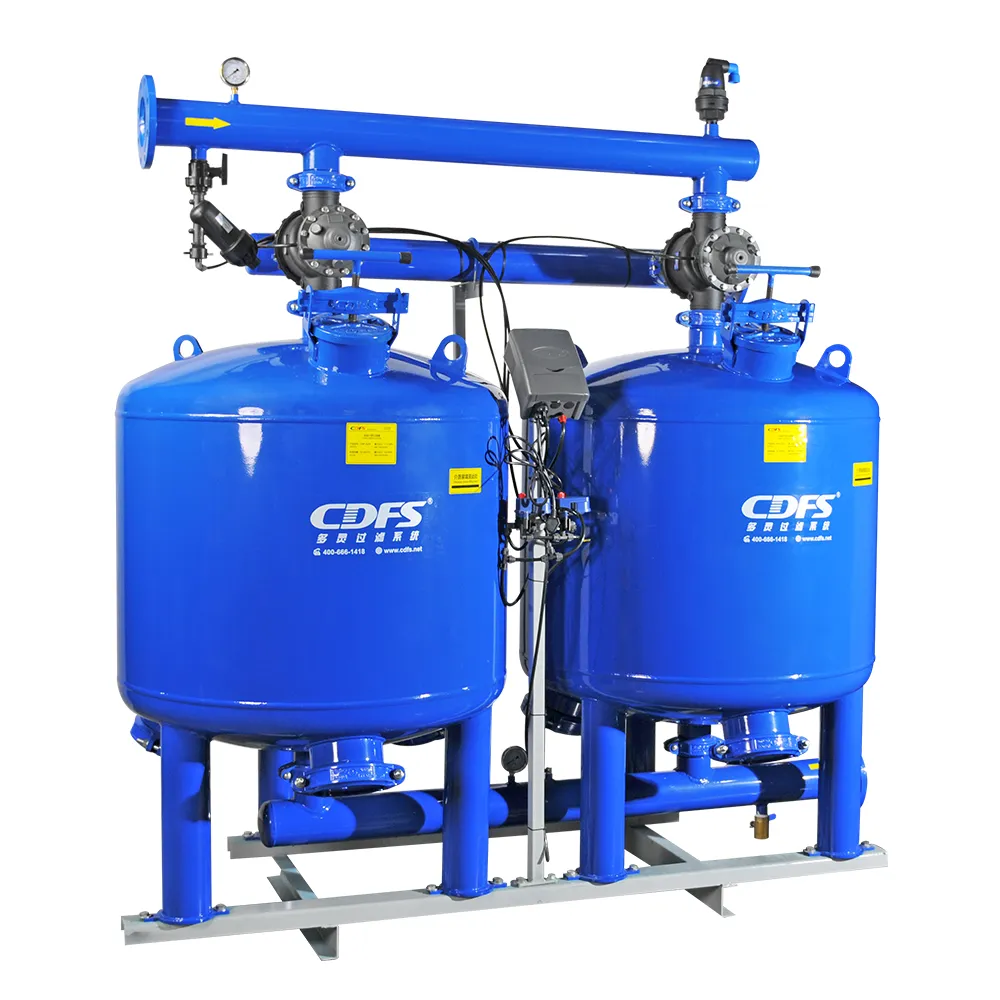
One of the major benefits of using auto disc water filt is their contribution to water conservation. By protecting emitters from clogging, they enable consistent and precise water delivery, minimizing waste. This is especially valuable in regions facing water scarcity, where efficient irrigation is essential for maintaining crop yields without depleting natural water sources.
By maintaining clean water flow, auto disc water filt safeguard sensitive micro-irrigation devices like drippers and micro-sprinklers from blockage and wear. This protection ensures stable water pressure and even distribution, critical factors for maximizing crop health and yield. Additionally, precise water delivery contributes to conservation efforts by minimizing waste and optimizing resource utilization in agricultural practices.
Q: How is a irrigation filter installed in an irrigation system? A: A irrigation filter is typically installed at the water source or before the main distribution lines in an irrigation system. It connects to the pipeline using standard fittings and should be placed where access for maintenance and backwashing is convenient. Q: What materials are used in the construction of a irrigation filter? A: Most irrigation filters are made from corrosion-resistant materials such as stainless steel, reinforced plastic, or coated carbon steel to ensure durability in outdoor and agricultural environments with variable water qualities. Q: How do you determine the right size of a irrigation filter for your system? A: The appropriate size of a irrigation filter depends on the water flow rate, type of irrigation system, and quality of source water. Consulting with an irrigation specialist or manufacturer is essential for optimal sizing and performance. Q: What is the difference between manual and automatic irrigation filters? A: Manual irrigation filters require periodic cleaning by hand, while automatic versions have self-cleaning mechanisms—such as backflushing—that operate based on pressure differences or timers, reducing labor and downtime. Q: Can a irrigation filter be used with both surface water and groundwater? A: Yes, a irrigation filter is suitable for both surface and groundwater sources, though the level of filtration and frequency of maintenance may vary depending on the sediment and debris levels in the water source.
The filter’s performance is very stable under different water qualities. It is simple to install and maintain. Definitely a great choice for industrial water treatment.
Very effective at removing impurities between 50-500 microns. The water flow remains consistent, and the filter is easy to operate with minimal downtime.
To protect the privacy of our buyers, only public service email domains like Gmail, Yahoo, and MSN will be displayed. Additionally, only a limited portion of the inquiry content will be shown.
Can your screen filter be used in a vertical setup? Water comes from a pressurized tank.



 EN
EN
 FR
FR
 NL
NL
 RU
RU
 AR
AR
 VI
VI
 LO
LO
 RO
RO
 TH
TH
 MY
MY
 MS
MS
 PT
PT
 ES
ES
 KO
KO
 BE
BE
 JA
JA
 FIL
FIL
 KA
KA
 DE
DE
 IT
IT